Moth & Vessel · Shopify Concept Store
Ceramics for quiet rituals, dim rooms, and the tender strangeness of moth wings.
A fictional Shopify ceramic studio shaped by nocturnal gardens, weathered stone, mineral surfaces, and the belief that an everyday object can carry the atmosphere of a relic.
The fictional ceramic studio is currently shared through a private Shopify preview.Passwordmoth
Where the world began
Through the fog of a willow tree, the smallest light begins to feel sacred.
Moth & Vessel was made for quiet rituals. The visual world began with nocturnal gardens, softened stone, dim windows, and the pale, powdery tenderness of moth wings.
In this imagined studio, the ceramics become the light in the fog. Clay holds the memory of touch. Familiar forms are stretched, opened, carved, and softened until they feel part household object, part quiet relic.
The result is a fictional ceramic company with a complete Shopify storefront, four collections, twelve imagined products, and a journal shaped around objects, materials, superstition, and the landscapes that find their way into a glaze.
A complete fictional company
Every object, collection, image, and written fragment was created to make the studio feel inhabited.
Moth & Vessel is a fully imagined object-based brand. The product names, collection stories, product imagery, journal writing, and storefront system were developed specifically for this project.
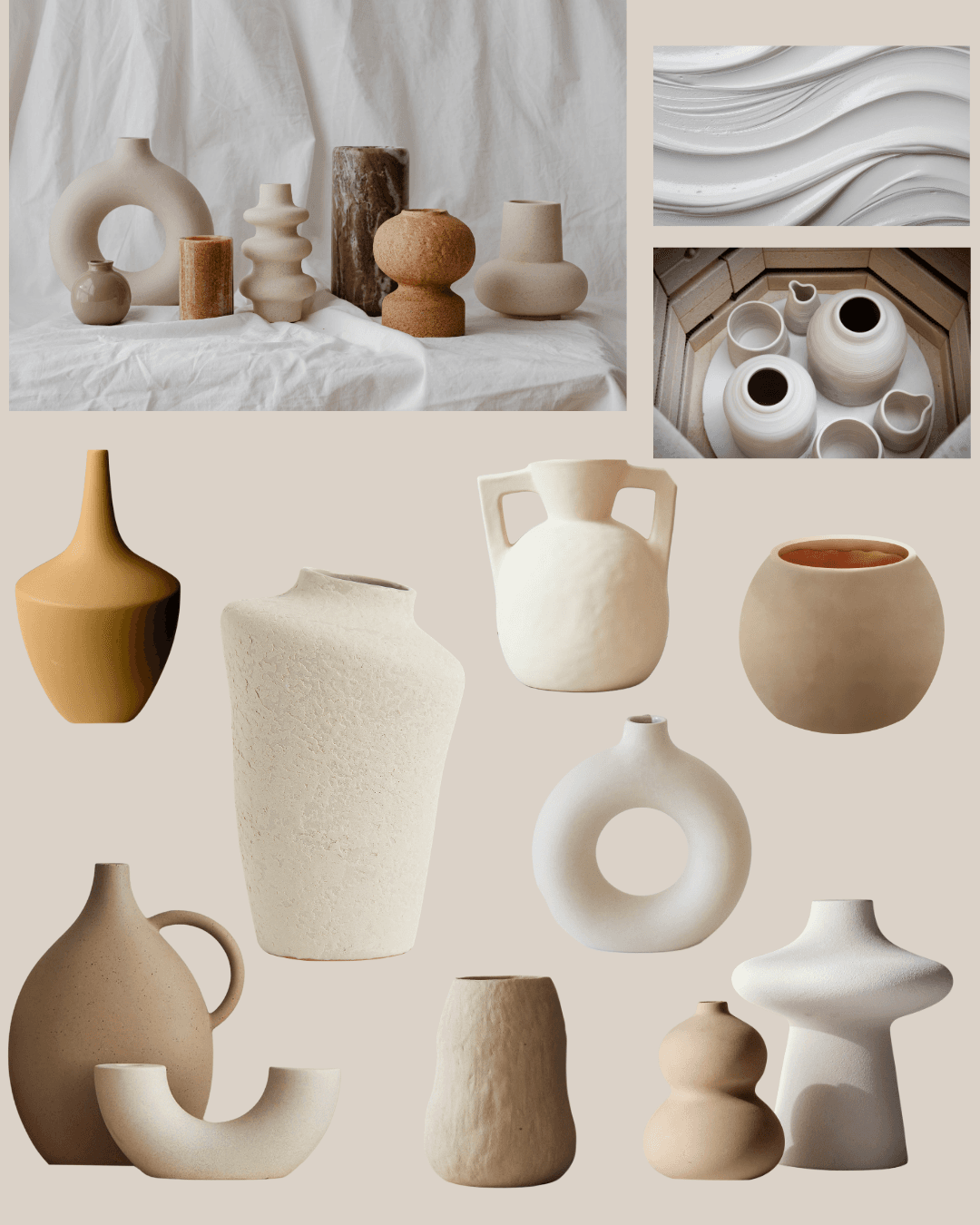
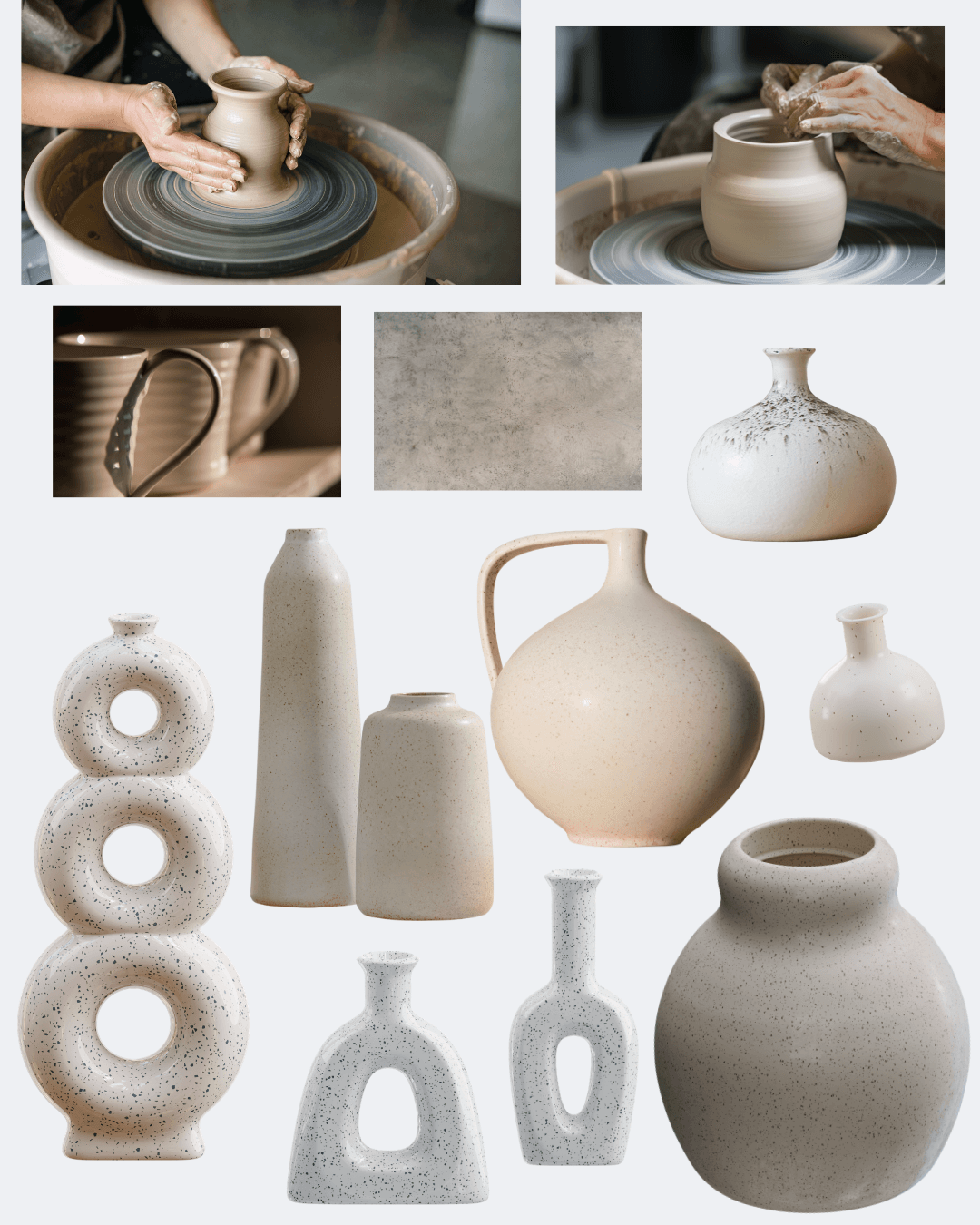
The four collections move through warm earth, pale plaster, mineral ash, and raised ornament. Each piece is imagined in a small batch, with subtle shifts in profile and surface treated as part of its character.
The four studies
Four collections, each carrying a different memory of earth.
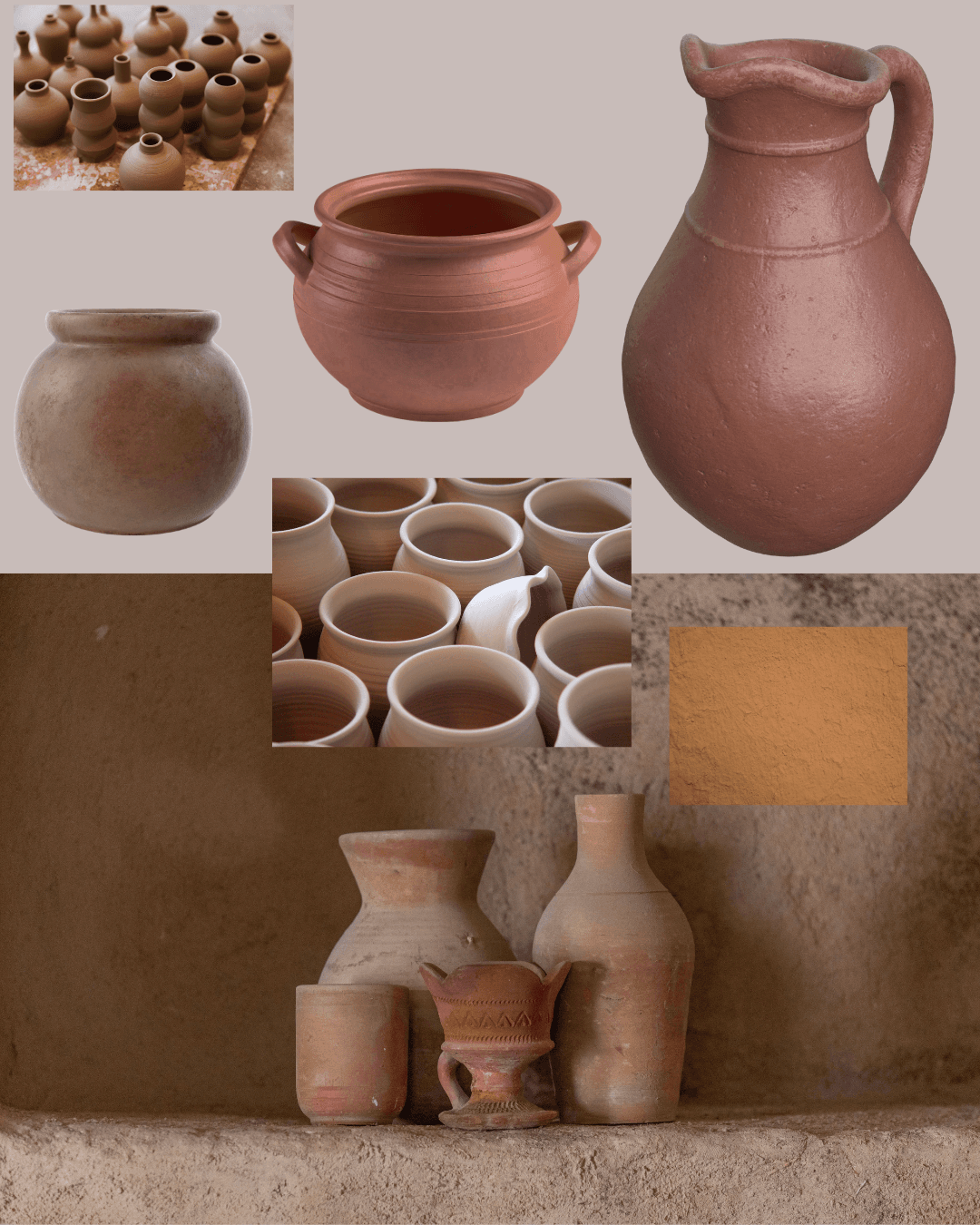
Every collection was given its own mood board, material language, silhouettes, and family of fictional product mockups. Together they form a catalogue that feels varied, closely related, and collected over time.
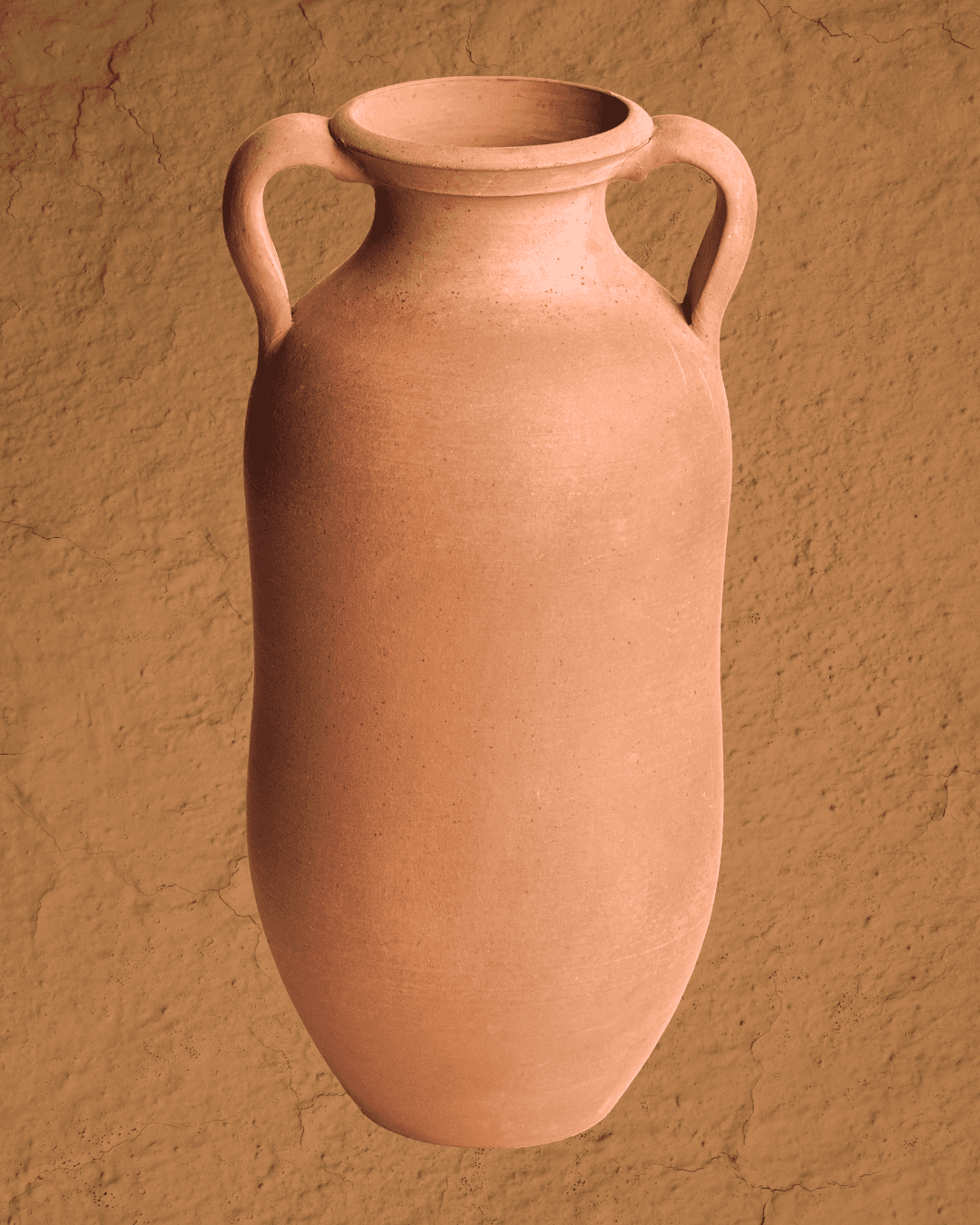
The Earthen Study
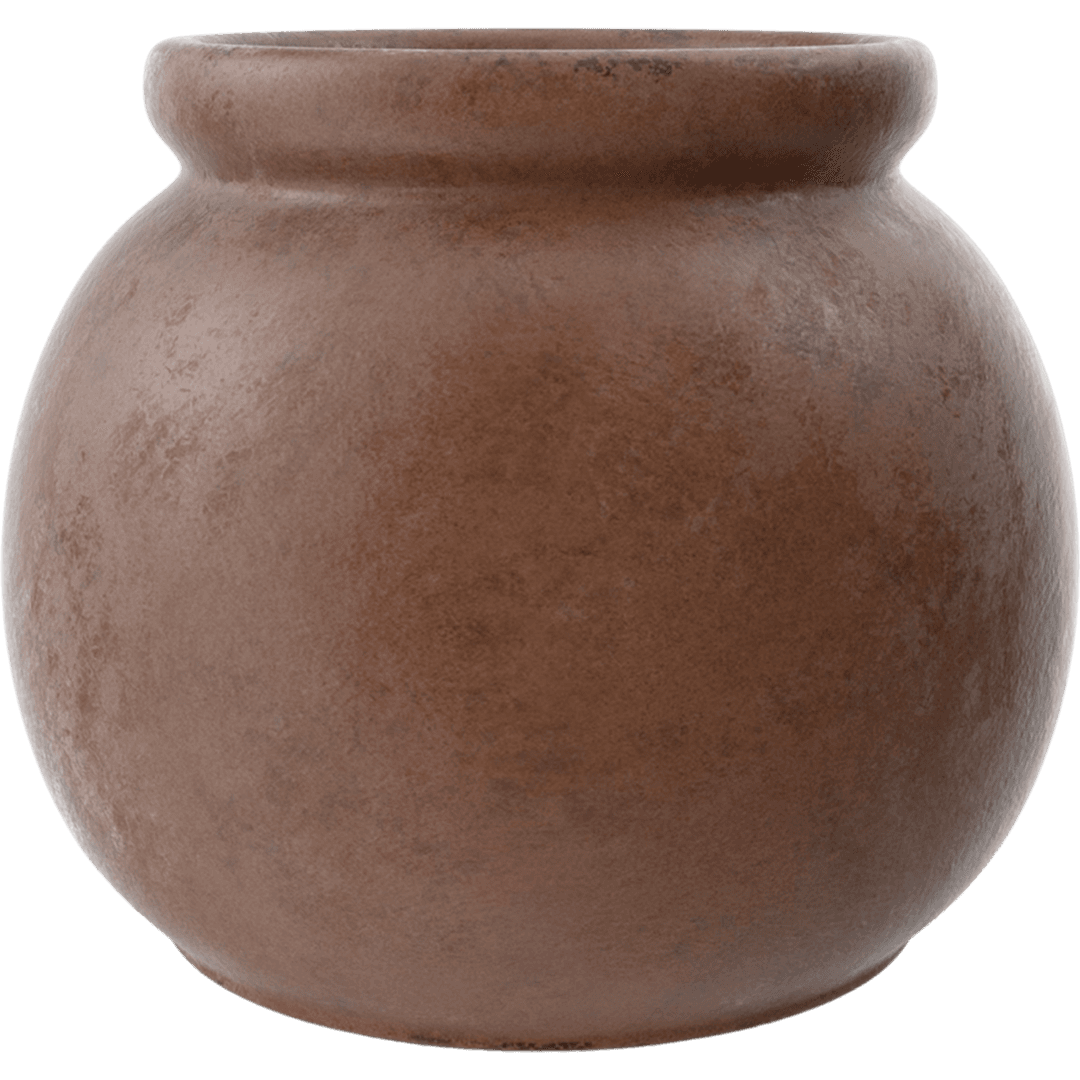
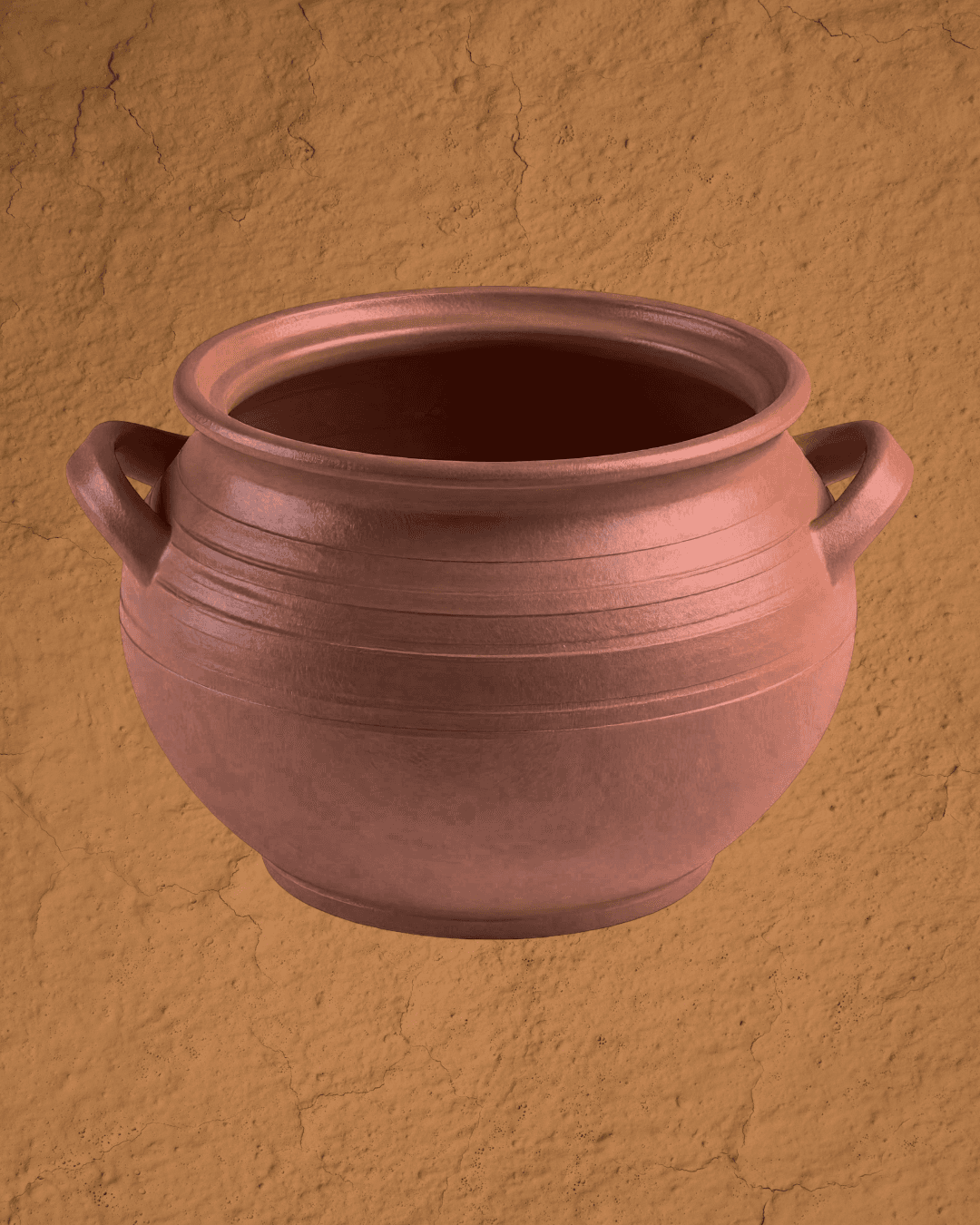
An ensemble of warm clay, rounded silhouettes, and quiet traces of the wheel. Each object carries the feeling of something inherited, unearthed, or kept close through years of ordinary use.
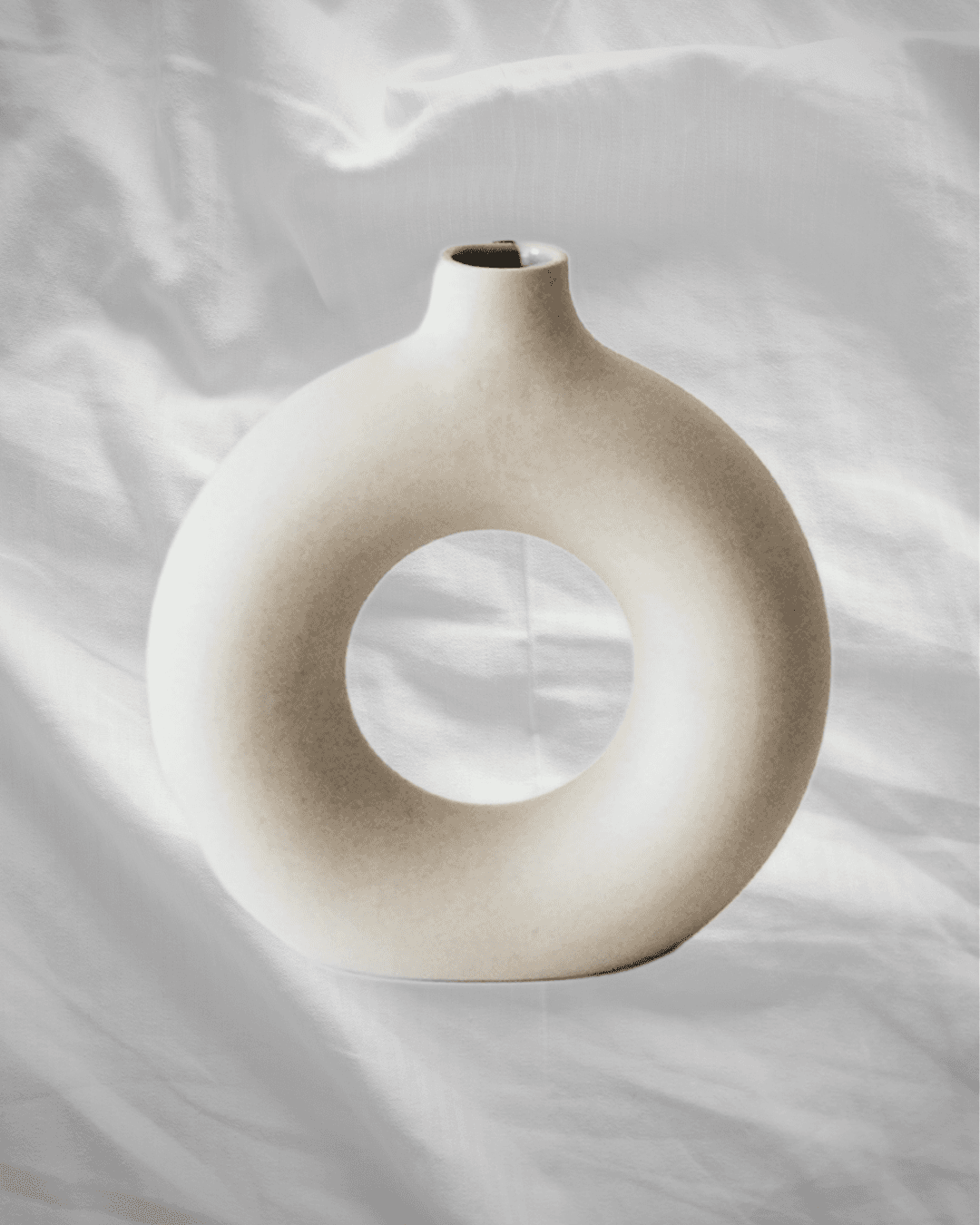
Pale Forms
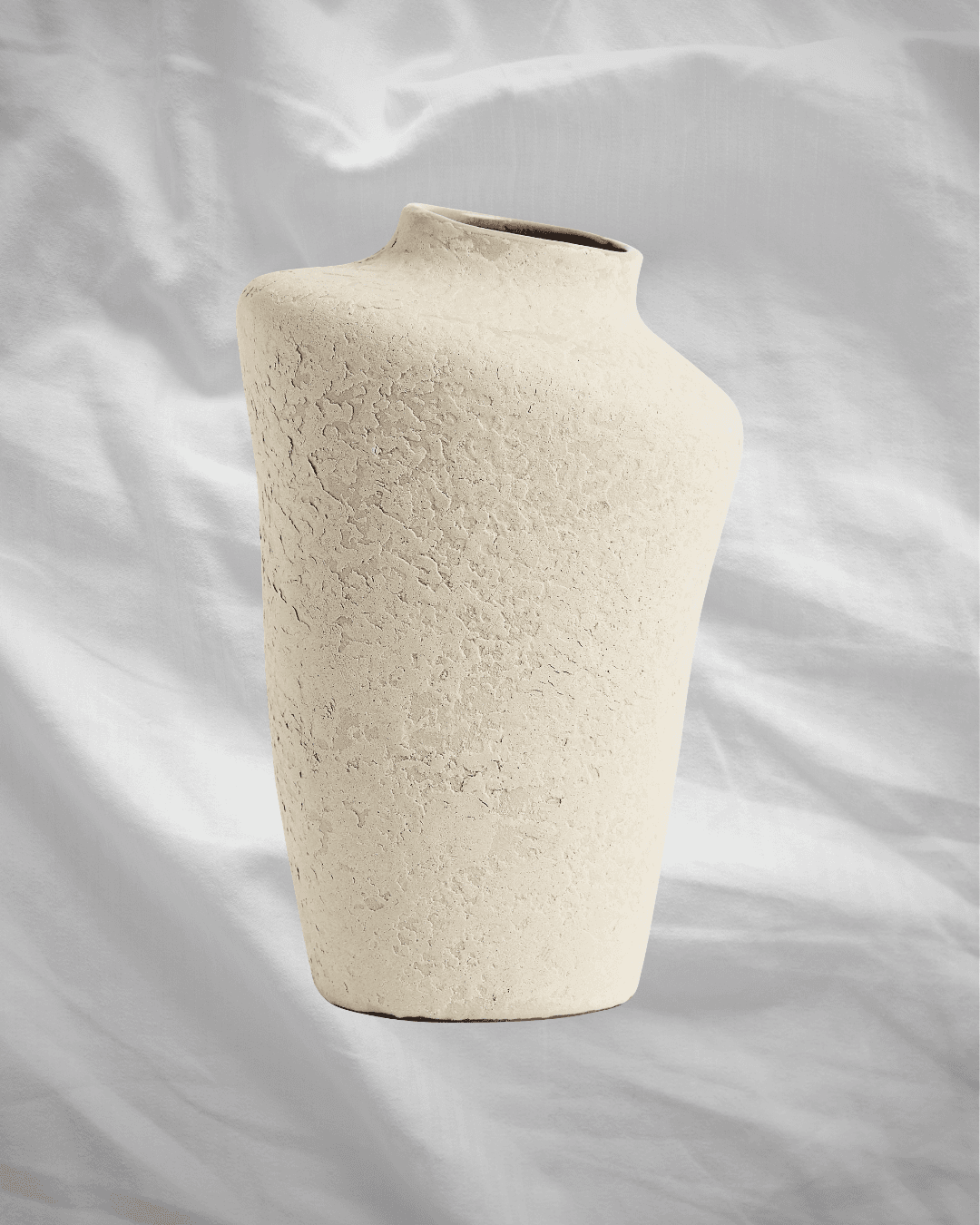
Soft ivory surfaces, open shapes, and restrained curves turn familiar vessels into sculptural studies of light, balance, and negative space.
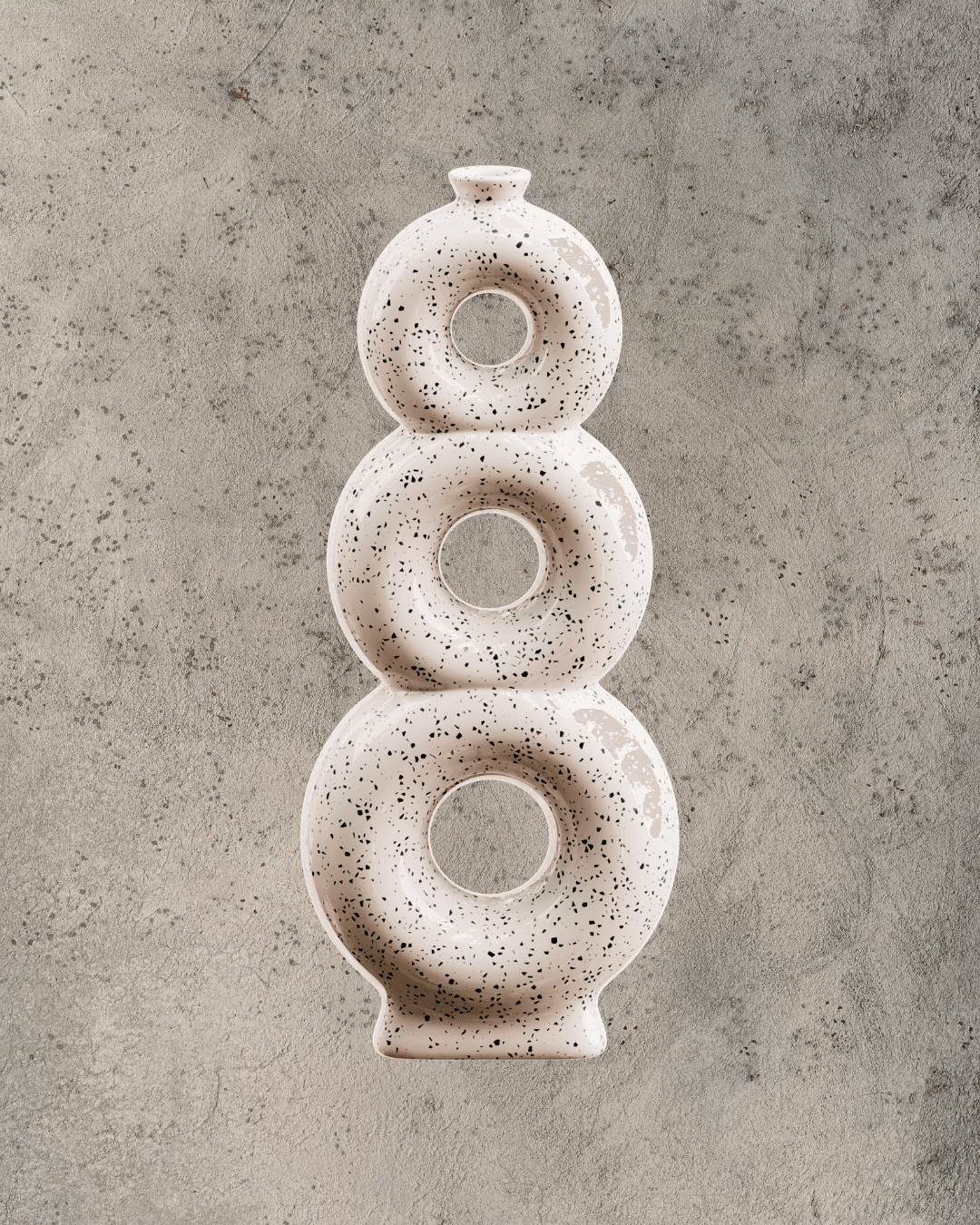
Ash & Salt
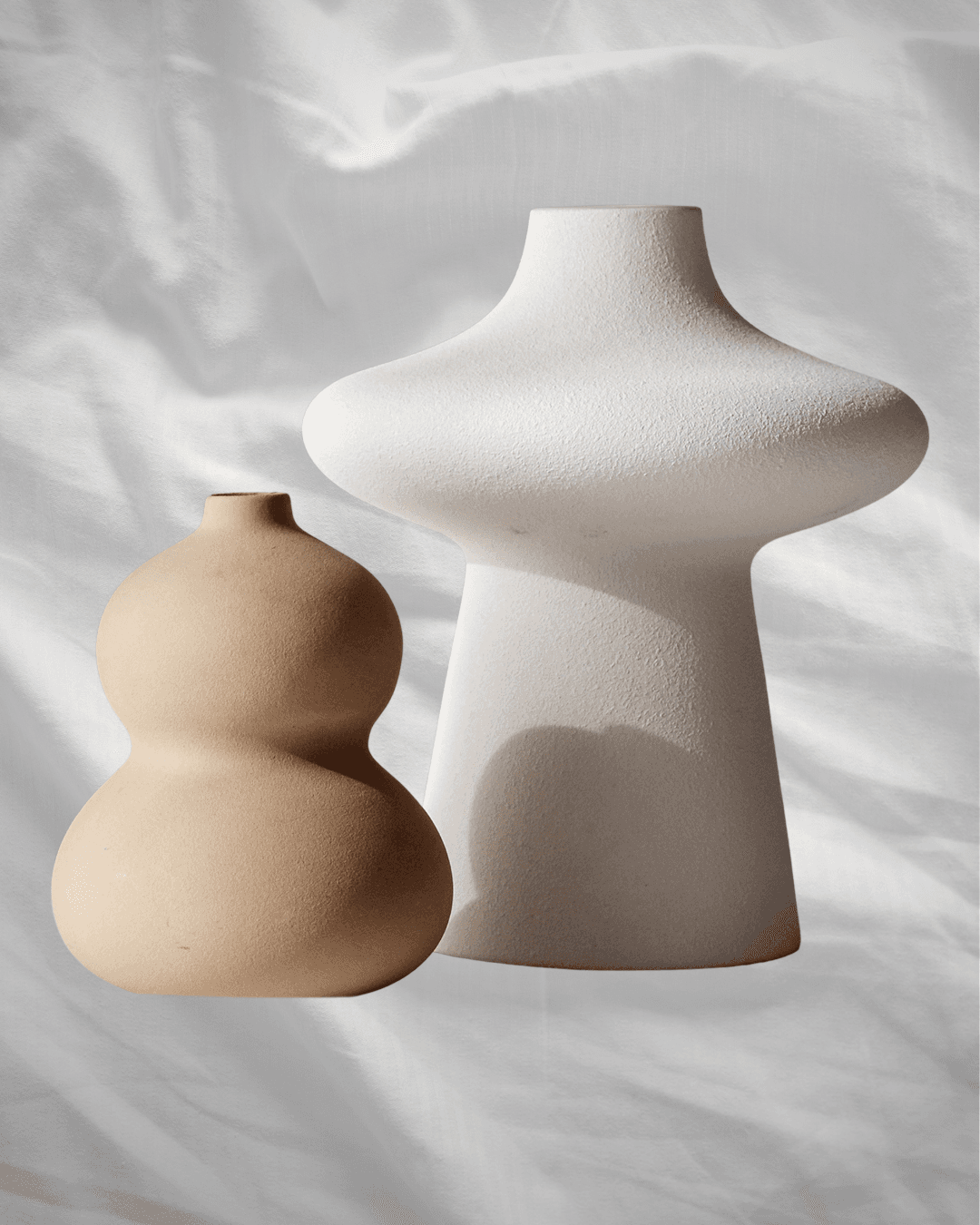
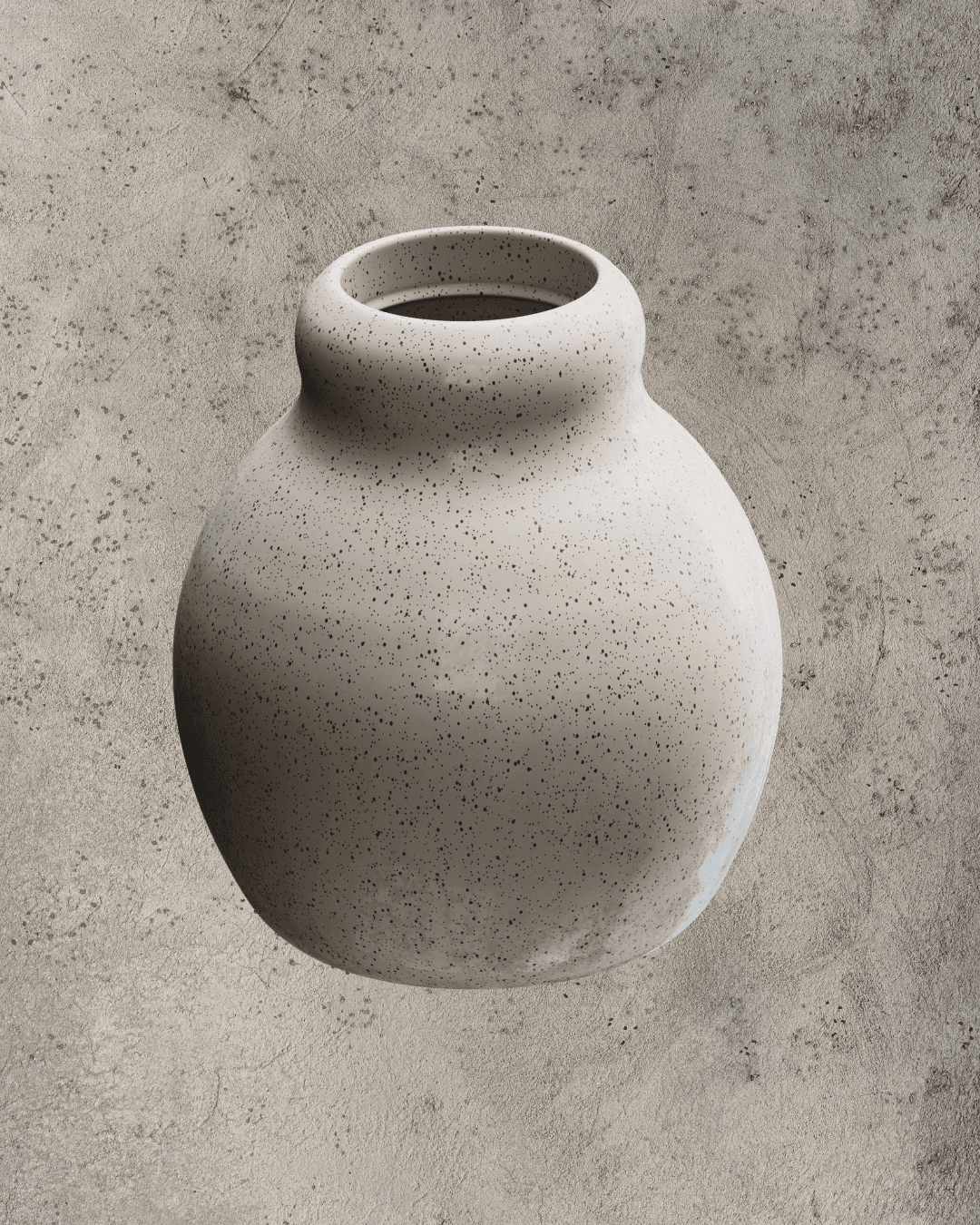
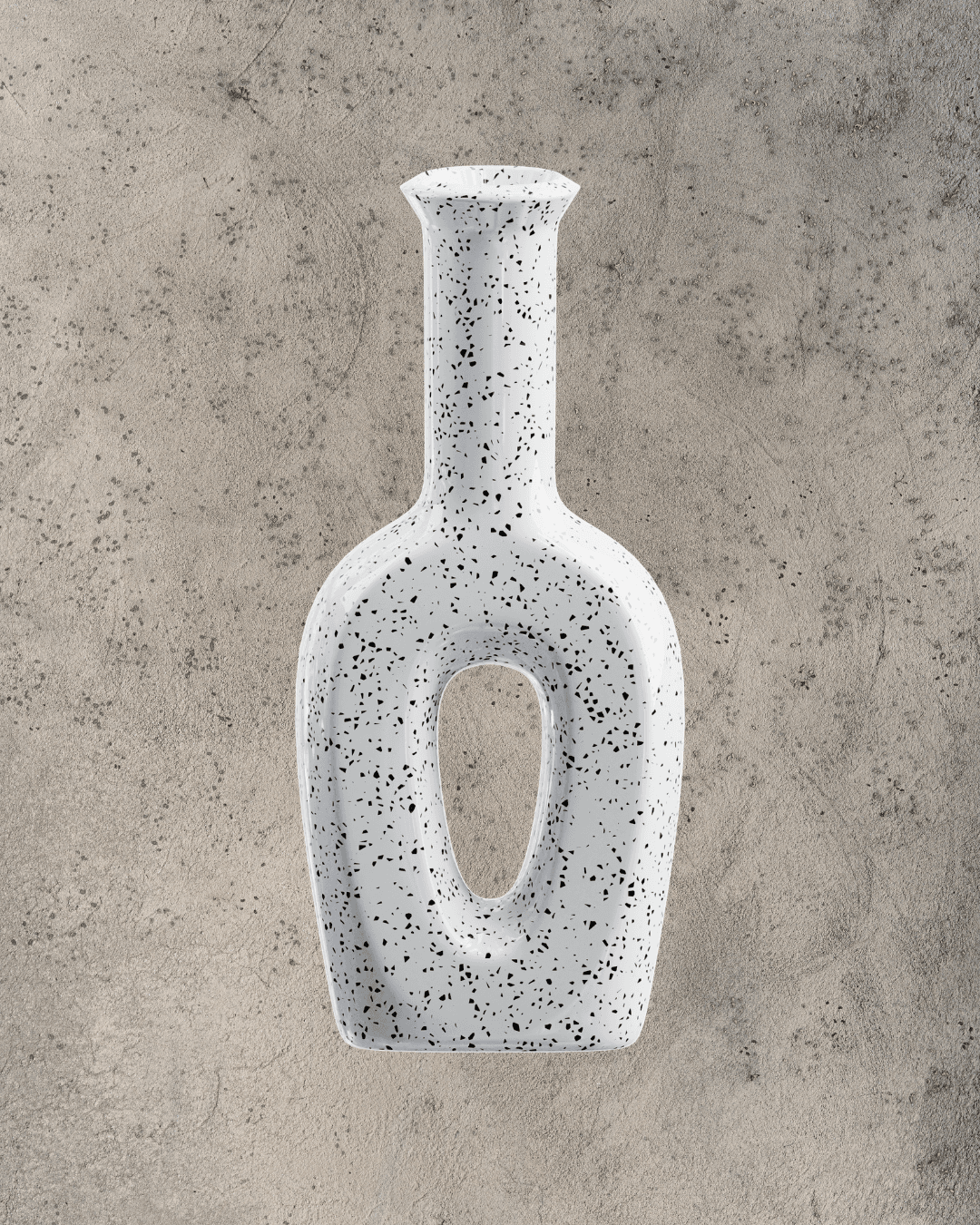
Speckled stoneware, mineral tones, and architectural openings give the collection a cooler, more elemental character shaped by ash, stone, rain, and weather.
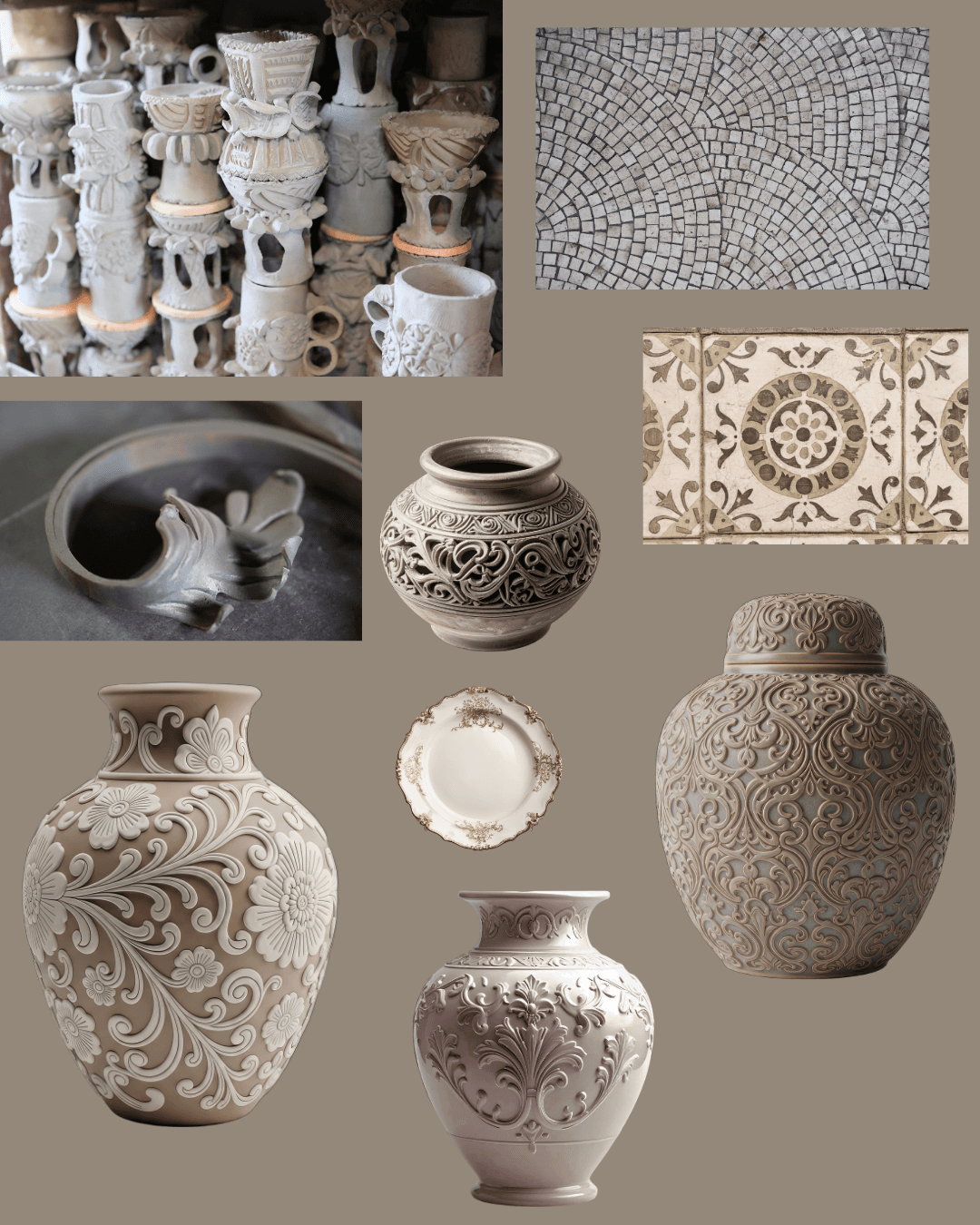
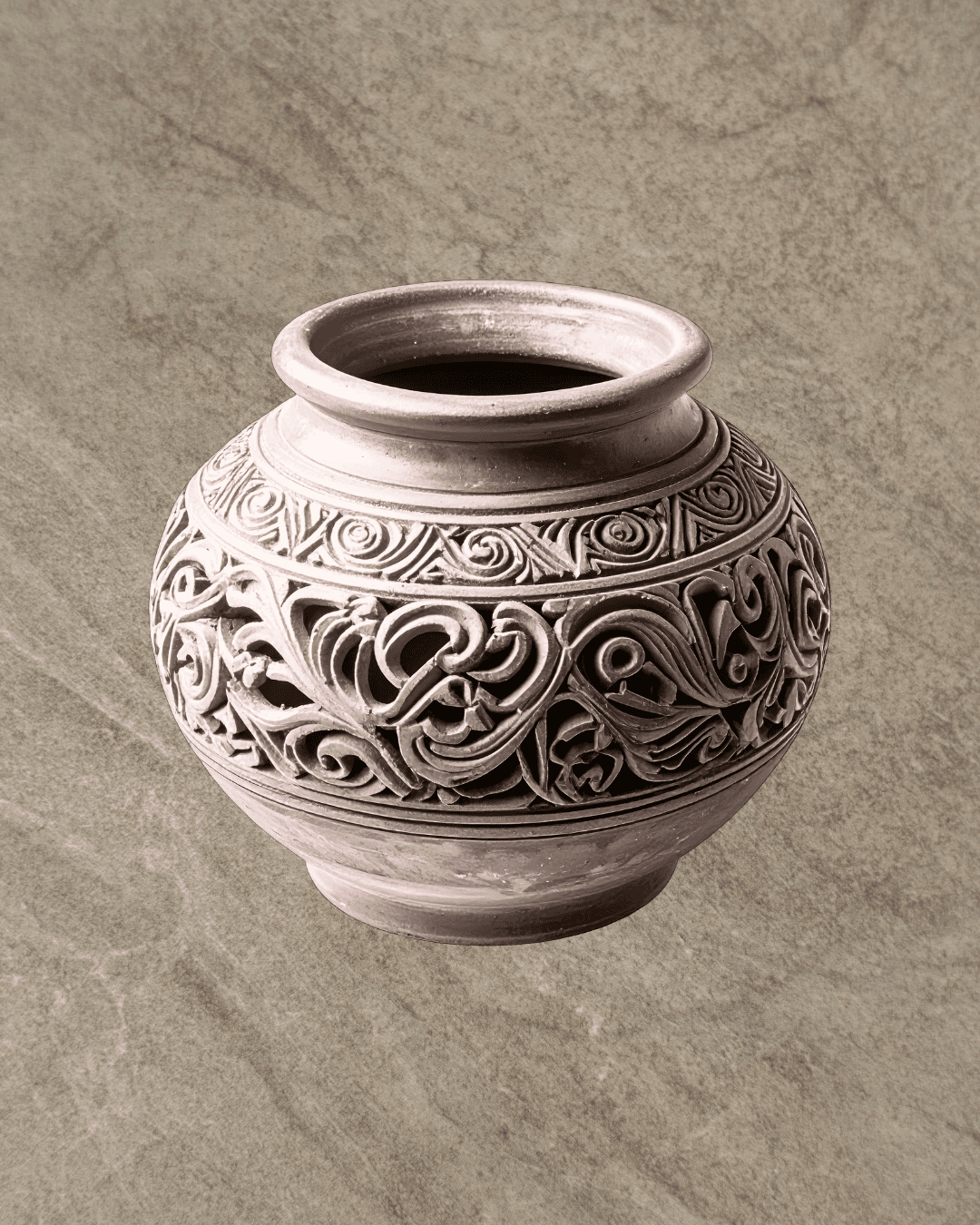
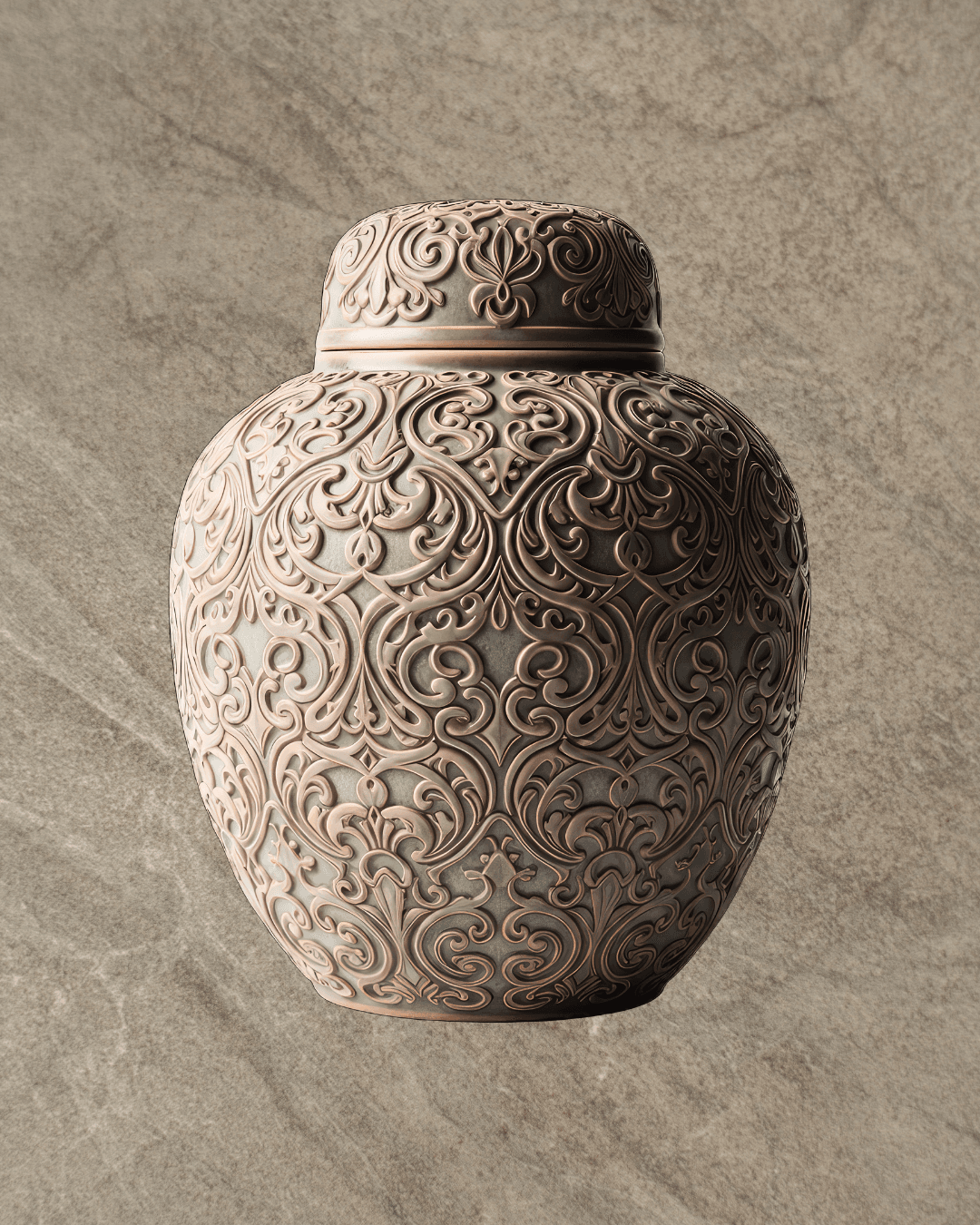
The Carved Archive
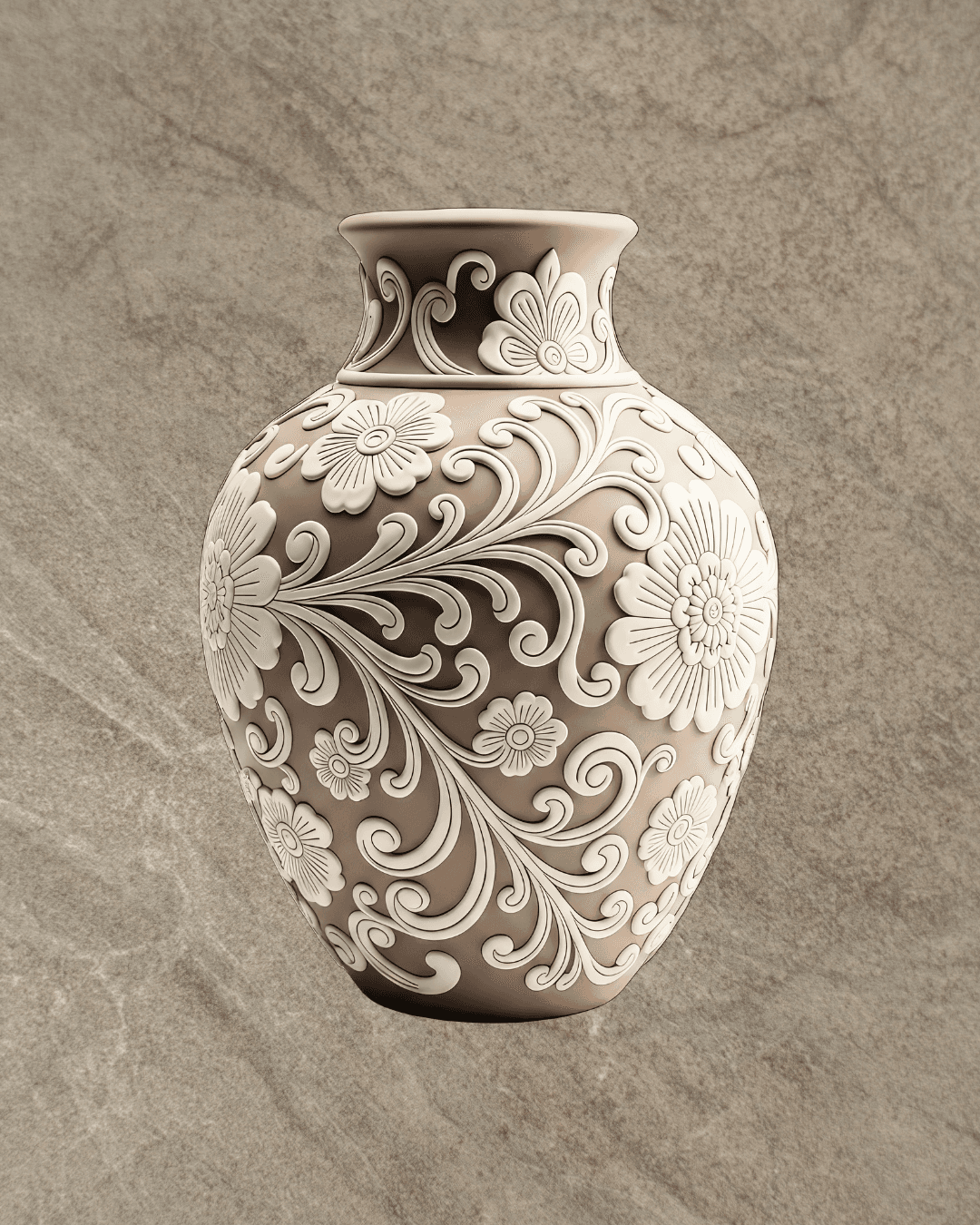
Raised florals, repeating scrollwork, and timeworn ornament transform each vessel into something suspended between a domestic object, a relic, and a piece from an imagined museum collection.
Define the atmosphere
Fog, willow branches, mineral surfaces, moth wings, and nocturnal gardens established the emotional world.
Build the collections
Four material studies gave the fictional studio a coherent, varied, and believable body of work.
Create the objects
Twelve product mockups translated each collection into individual pieces with distinct names and personalities.
Shape the storefront
Shopify supplied the commercial structure while editorial copy, movement, imagery, and narrative gave the studio its life.
From the cabinet of clay, moths, and making
The Journal
Studio notes on objects, materials, old superstitions, and the landscapes that find their way into a glaze.
Why Moth Wings Keep Appearing in Our Forms
A short study of symmetry, powdery color, and the strange tenderness of nocturnal insects.
A moth is almost perfectly balanced until you look closely. One wing carries a mark the other nearly repeats. The edges appear soft from a distance, then become intricate and uneven as the eye moves nearer. That tension feels familiar in clay.
Many Moth & Vessel forms begin with a symmetrical domestic object: a pitcher, jar, urn, or cup. The shape is then allowed to drift. A handle rises higher than expected. An opening narrows. A rounded body begins to suggest folded wings.
The moth offers a useful symmetry. It remains recognizable while preserving the small differences that give a form its character.
Moths also belong to dim rooms, dusty windows, old cloth, and evening gardens. Their influence may appear as a literal carved wing, a pale glaze, a powdery surface, or a vessel that seems prepared to open.
The Usefulness of a Beautifully Strange Object
A study of functional clay, atmosphere, memory, and the one detail allowed to wander.
A useful object often disappears into a room. It performs its task without asking for attention. Moth & Vessel imagines an object that remains useful while gently changing the atmosphere around it.
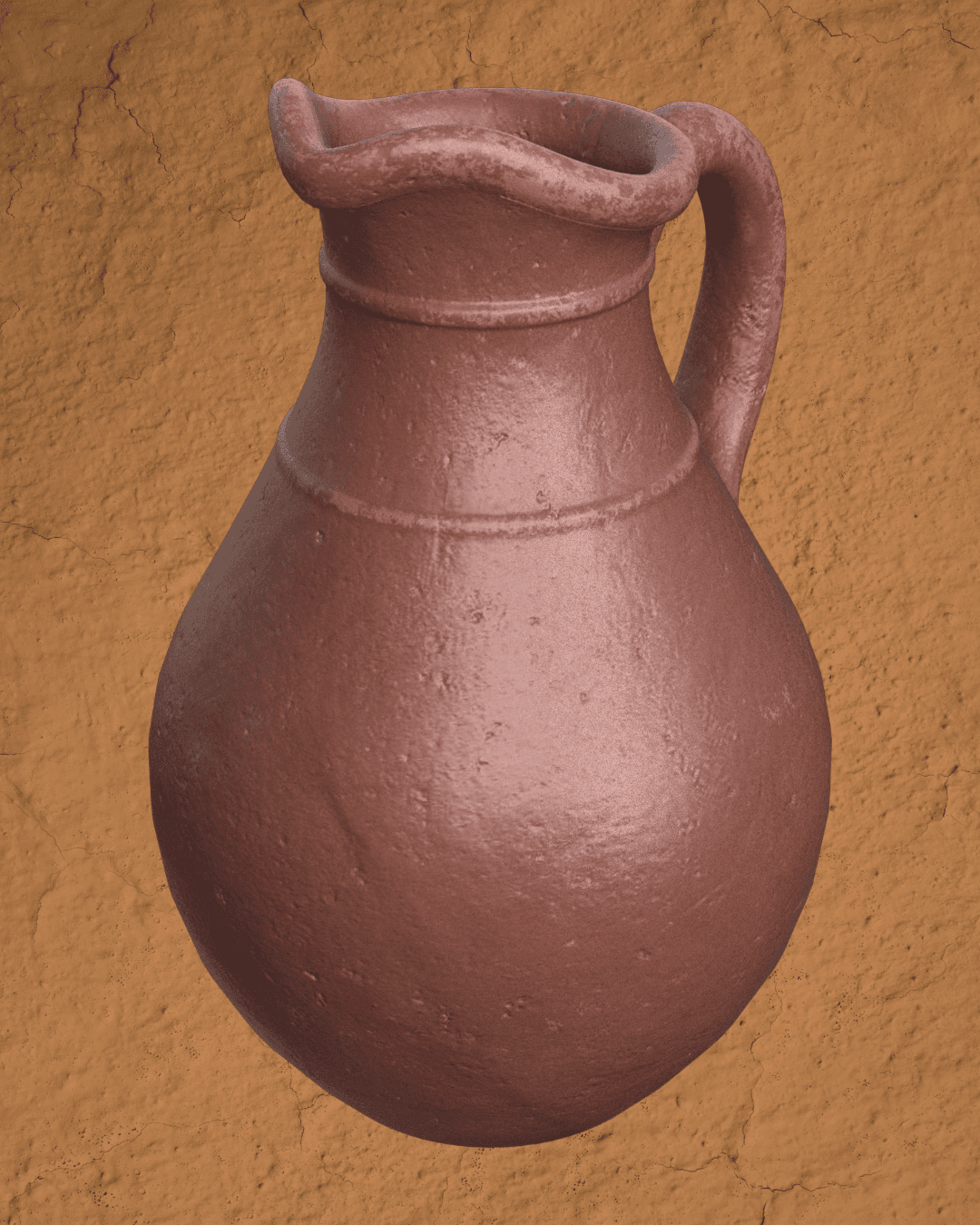
A pitcher may hold water and possess an unusually generous handle. A vase may carry stems while opening around an empty central space. A candleholder may function properly and still resemble a small ceremonial relic.
The strongest forms keep one familiar anchor. The opening still accepts flowers. The base rests securely. The handle can be held. Around that practical center, one element is allowed to wander through proportion, carving, negative space, or silhouette.
Domestic objects become significant through repetition. A cup is used each morning. A jar remains on the same shelf. A vessel holds branches gathered during a particular season. Use gives the object a history, and a beautifully strange form makes that history easier to notice.
Building a Glaze Palette from Lichen and Rain
Muted greens, mineral whites, and the quiet value of a surface that changes beneath different light.
The imagined Moth & Vessel palette begins outdoors, among muted surfaces: lichen on stone, rain-darkened bark, chalky soil, smoke, mineral deposits, and the pale underside of a fallen branch.
These colors resist precise names. A glaze may appear warm grey in morning light, green beside stone, and almost cream beneath a lamp. The surface changes because its color is built from several muted tones rather than one obvious hue.
Speckling settles into low areas. A pale slip catches on a carved edge. A darker clay body shows faintly through a thin glaze. These variations create the sense that the surface developed over time.
The landscape remains an influence rather than a literal imitation. A vessel can hold the color of wet stone without becoming stone. It can suggest lichen through atmosphere, memory, and the feeling it carries into a room.
Across every viewport
The fog, objects, and editorial rhythm needed to remain intact at every scale.
The desktop experience has space for the collections and journal to unfold like an editorial catalogue. The mobile version carries the same world through an intimate sequence, allowing each object and passage of writing its own moment.
Through the fog of a willow tree, we find solitude in the dim stillness, and we become our own source of light.
What the project left with me
An imagined object begins to feel real when every detail carries the same memory.
Moth & Vessel became an exercise in building a complete material world from atmosphere alone. The collections, product names, journal entries, surfaces, and storefront needed to feel as though they had all emerged from the same dim studio.
An object-based shop can remain easy to browse while carrying mystery, texture, history, and a sense of quiet belonging. The practical structure gives the visitor a path. The atmosphere gives them a reason to remember where it led.
Enter Moth & VesselPrivate preview password: moth